The 15 Best AI Image Generators I Tested in 2026
I tested all with the same 5 text-to-image prompts, so you don't have to waste your credits.
Why you can trust me: Testing Methodology & Editorial policy



Latest model tests: ChatGPT Image 2 (under ChatGPT image) Nano Banana 2, Grok Imagine.
To find the best AI image generator, we're not just looking at the prompt-to-image capabilities of the tools anymore, but also very closely at how we can enhance or edit the image creation.
For me, Nano Banana Pro (NBP) is still the shining star. It can do things that Midjourney, Kling or Adobe can't: morph two images perfectly together (Nano Banana 2 doubled down on this) or change the perspective within a picture, which still leaves me in awe!
Therefore, I've added Prompt 5 to my testing methodology, in which the AI image generator is supposed to place me (Lili) in the Mars landscape from Prompt 3. So, in practice, we're combining two reference images to create one.
But also GPT Image 2 has conquered my heart. My favorite use case for OpenAI's image model is thumbnails and infographics for social media (check out my video tutorial here). I also tested NBP vs Nano Banana 2 and can't say that I prefer one over the other, they both have their strengths.
Prompt 1 - Realism:
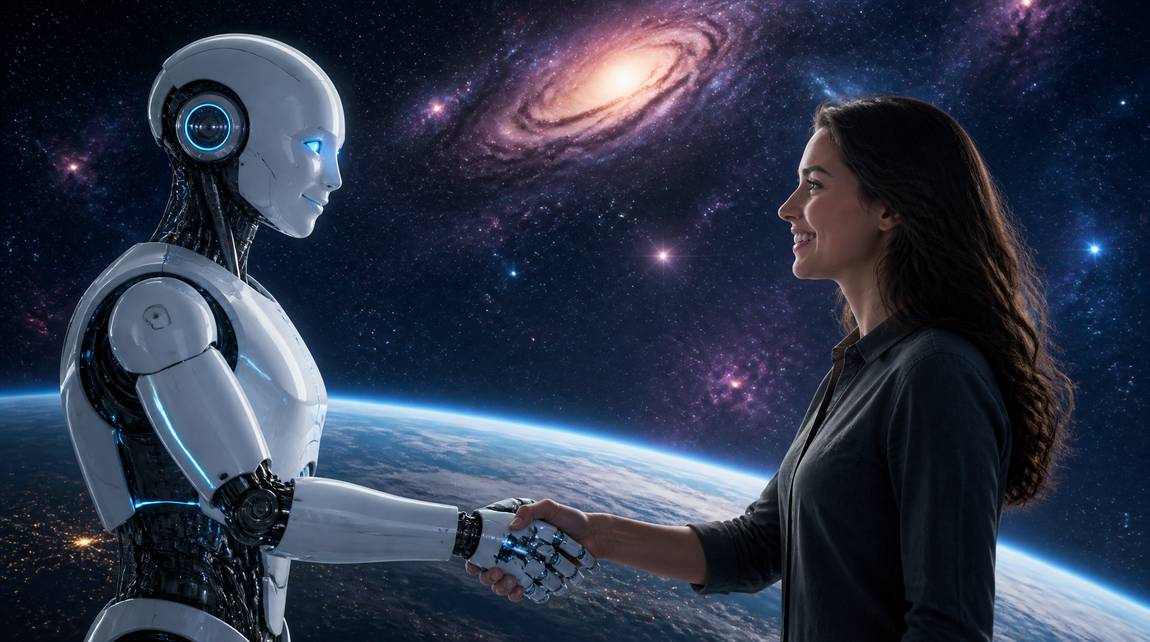
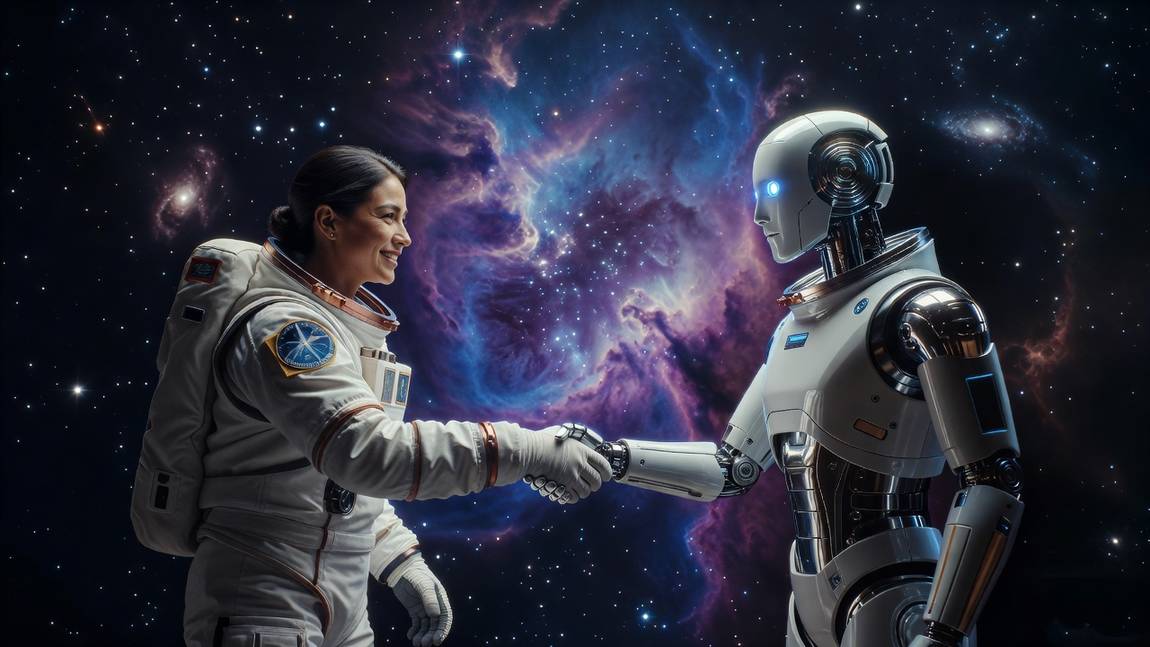
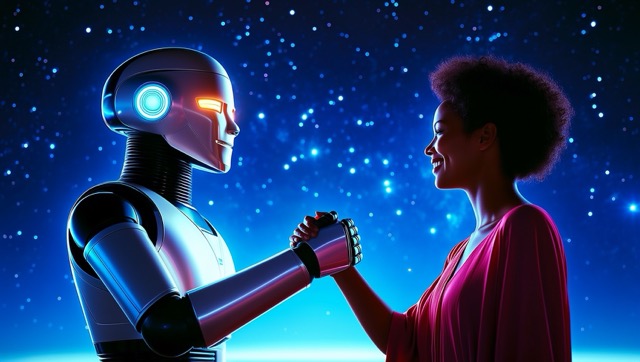
Create an image of 2 people looking at each other and shaking hands, one being an AI robot, the other a woman. The background is space and the mood is friendly.
Prompt 2 - Detail:
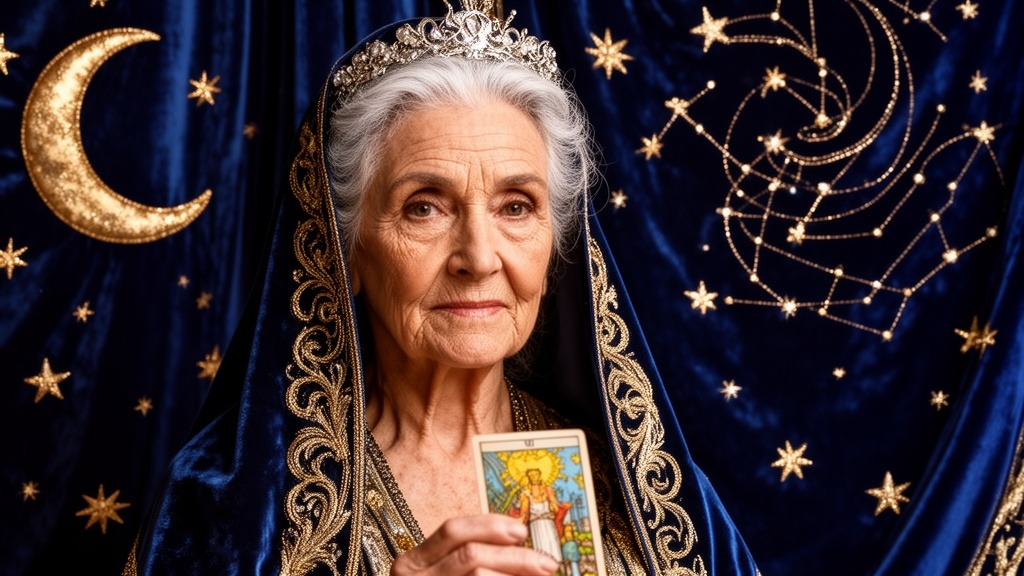
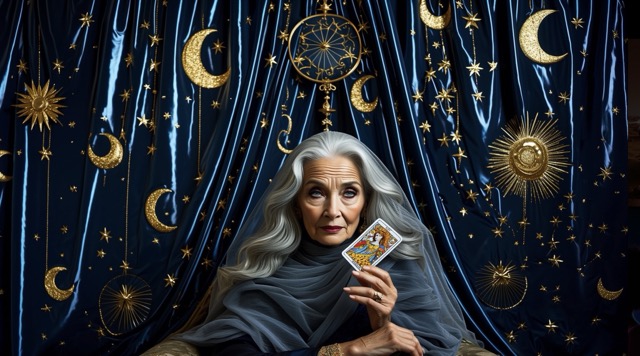
Create an image of an older lady with natural wrinkles and grey hair laying tarot cards. We see her from the front as she holds one card up. Her look is mysterious, she is wearing a veil and the background is a dark blue velvet curtain with golden stitchings of stars, the moon and star constellations. The style is somewhat between Dune (the movie) and Aladin, which a shiny gloss on it.
Prompt 3 - Creativity:
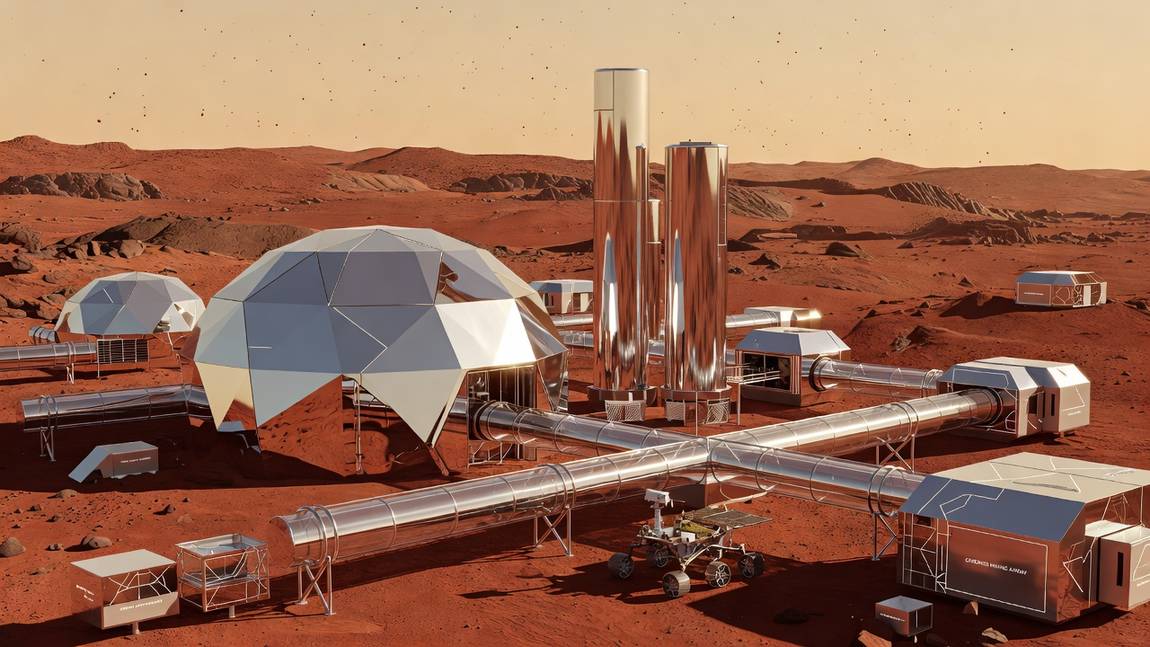
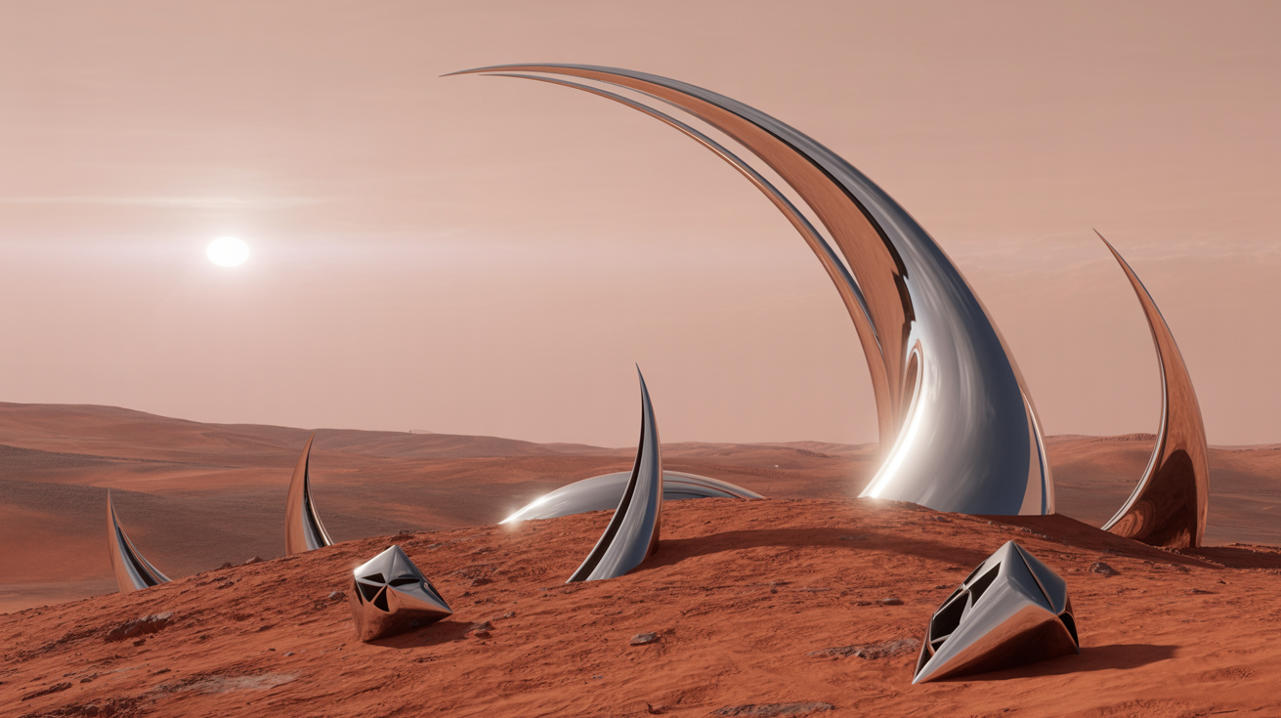
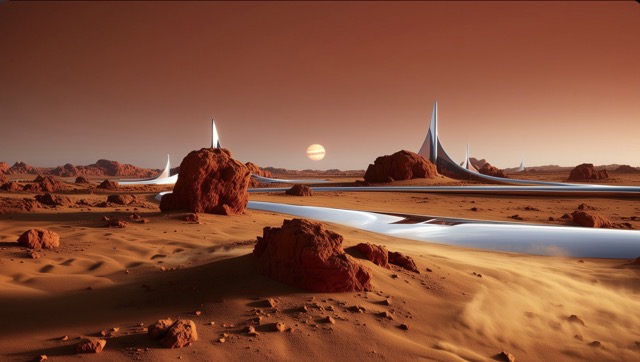
Create a mars landscape with chrome design elements
Prompt 4 - Interpretation:
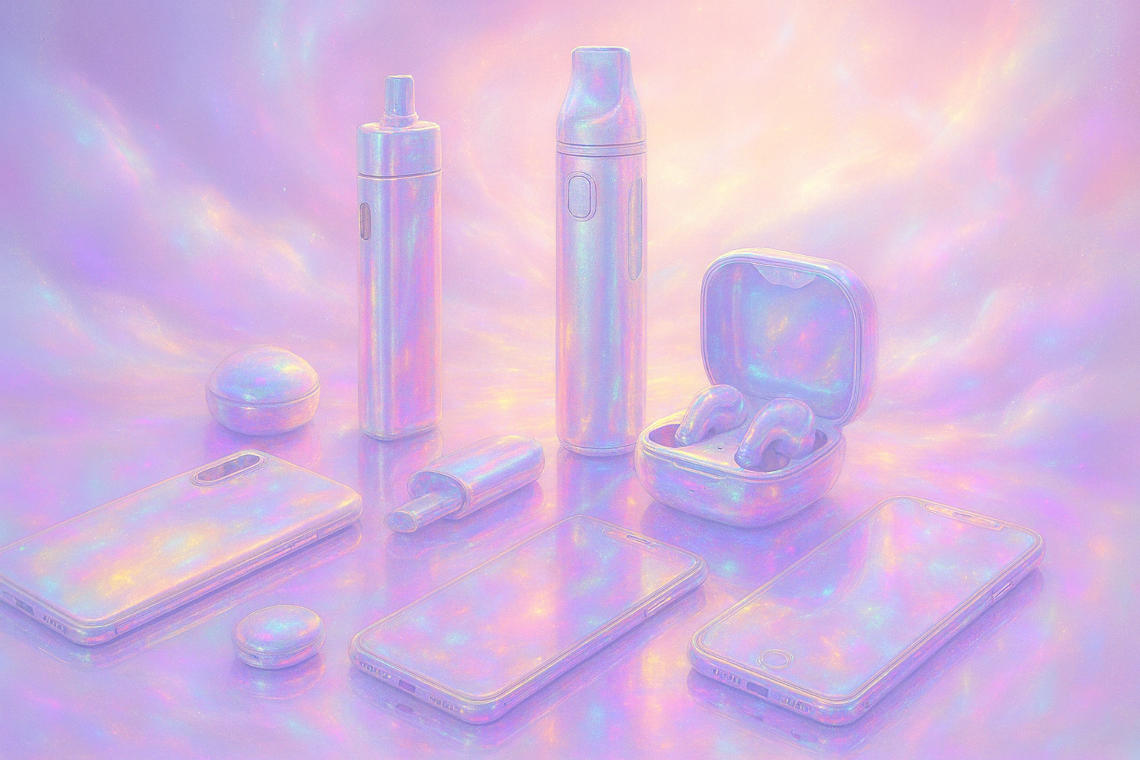
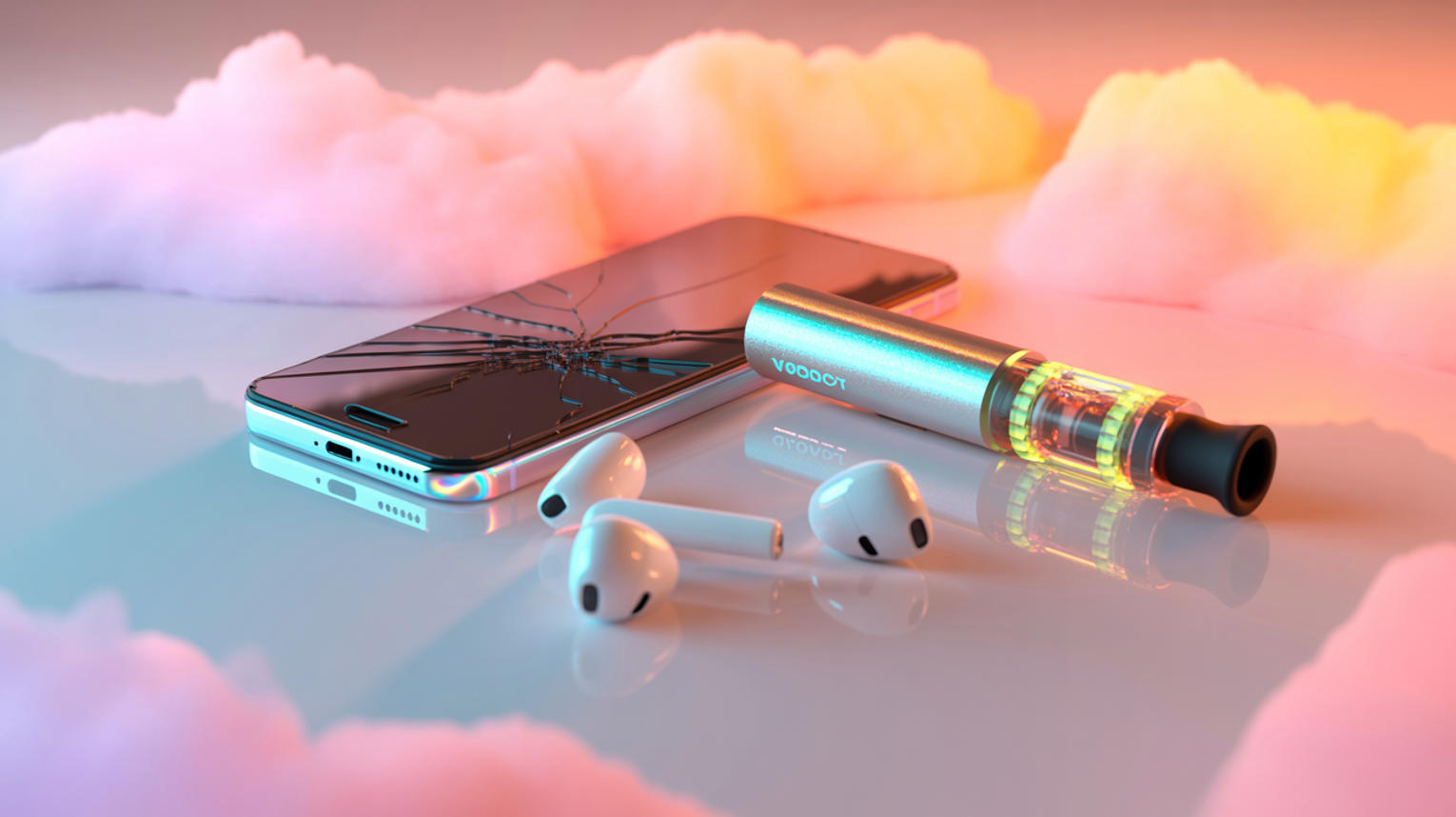
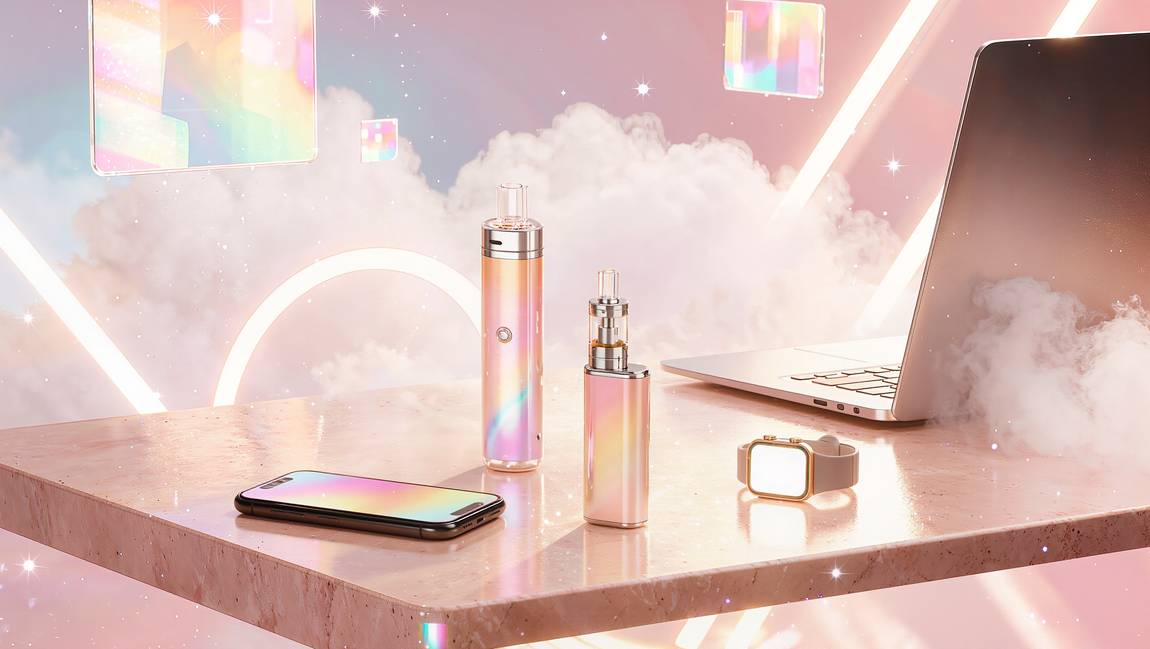
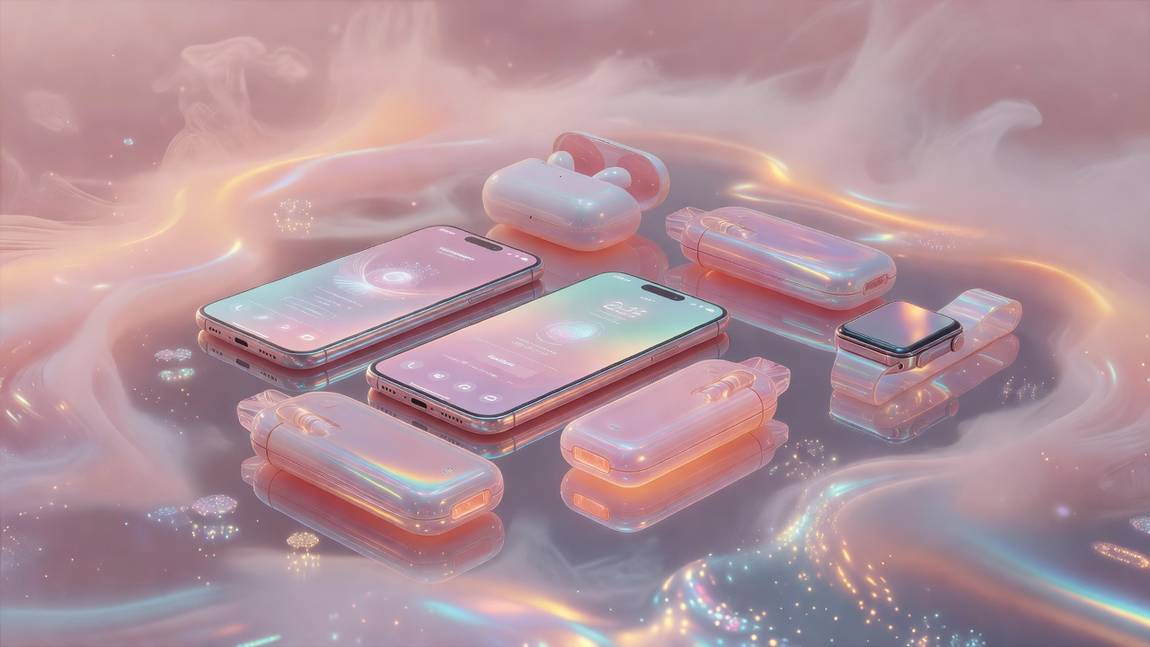
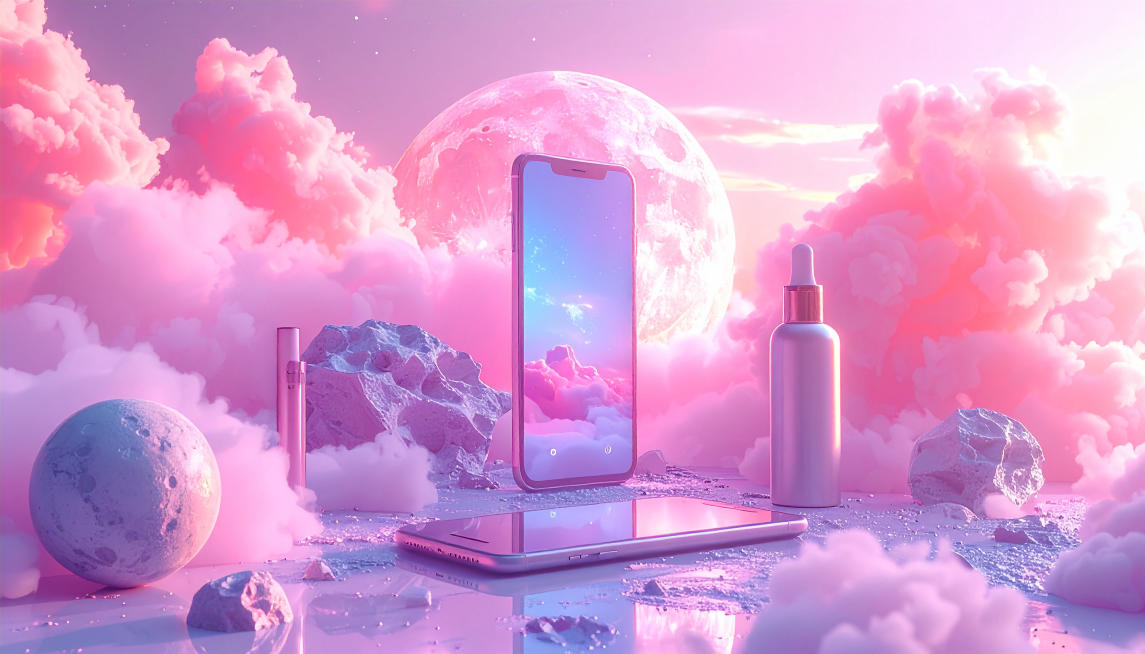
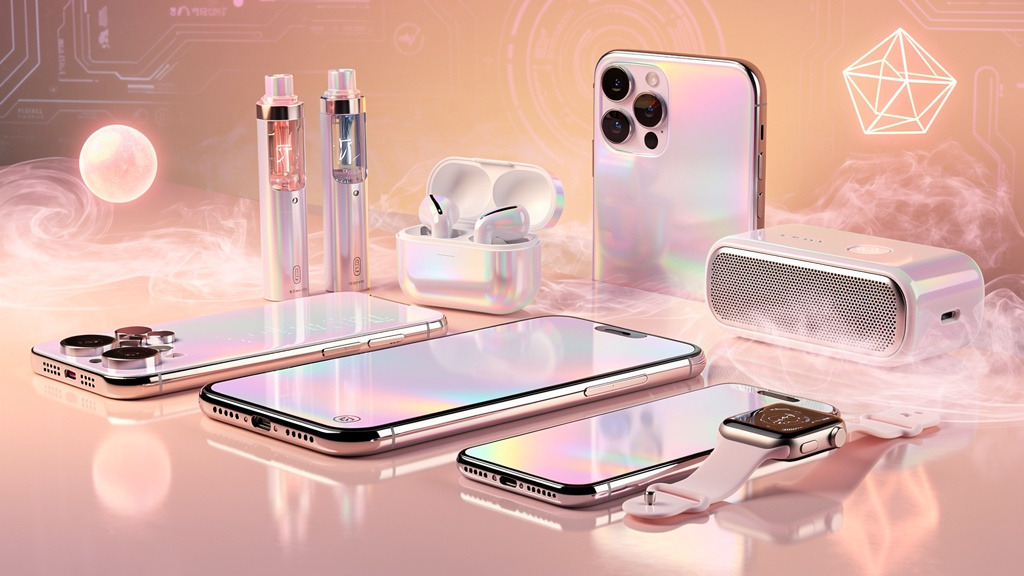
Create a modern stil life with various modern objects like cell phones, vape devices and other modern day objects in this style: Ethereal futuristic scene, with highly iridescent surfaces, light pastel vaporwave colors, soft glowing lighting, dreamlike atmosphere, holographic highlights, calm surreal mood, cyberpunk and fantasy elements, soft pink and slightly apricot gradients, luminous mist, glossy and shimmering aesthetic similar to a moon stone.
Prompt 5 - Morphing 2 Images
Take my face and body from image 1 and add it to the Mars landscape image. I'm standing in the middle of the landscape, wearing a space suite without the head piece. I'm looking into the camera, looking excited.
Normally I would recommend this simple text formula for input:
Style + Subject
If you have a more specific image in mind, you should add
+ Background + Color Palette + Additional Elements
But we left the style in our test prompt away, because we were curious what the default style choice of each tool would be.
- Prompt Coherence: Check how well the tool listens to prompts in general. This is where the biggest difference is: Flux will do a much better job even with a relatively open request like our prompt 1, than Seedance.
- Advanced features: Do you want to choose lighting or perspectives via a template, like on AI image generator platforms like Magnific (formerly called Freepik)? Or do you prefer to prompt it freely, like with most models?
- Cost per generation: How expensive is it to generate an image? This is especially relevant if you want to use the software on a regular basis or for example for social media posts.
- AI Editing features like Image Upscalers, Background Removers or Background Extenders are again available on platforms like Higgsfield or Canva and come very handy for all kinds of projects.
- Reference Images & character consistency: especially for commercial use, it's important that you can control the outcome, e.g. by using reference material or creating a character you can put in different sceneries.
While Canva is also great for AI-powered image editing, the integrated image generator is quite outdated (maybe even still Dall-E 2, which we didn't even take into the review anymore, but is still on the blog image above). Still, since I have a Canva Pro subscription, I'm quite familiar with their editing features and I have to compliment them on their background remover, magic edit, magic grab and image upscaler functions.
You might have noticed that I didn't mention Midjourney yet. I probably make it too rarely behind Midjourney’s paywall and I'm sad that they don't let me access it via fal.ai (which lists almost all AI image generator tools for testing). Designers are still very fond of Midjourney. But the overall public finds it too hard too handle and it's slowly using its grip on the top 3. I really like their SREF (Style Reference) catalog, which lets you steal and apply styles you found from other creators.
AI image generation tools like NBP, Kling, Flux, Adobe Fireflies, Midjourney, and ChatGPT image have been working madly on advancing their features and are clearly in the race to be the best AI image generator in 2026.
The AI world moves fast, so we got rid of tools that simply couldn't pick up the fast pace of latest innovations. I don't think anyone will miss Fotor, Dreamstudio, PixlR, Piscart, Hotpot AI and Crayion anymore.
Check out our blog about 10 the most exciting new AI image generator features. You might also be interested in our Creative AI Platforms where we have placed Freepik aka Magnific now.
Ok, but now it's time for you to answer the question: "What is the best AI image generator?" and compare images as you like.
❤️ Thank you for using my affiliate links to sign up to free trials. If you sign up through my affiliate links, I might receive a small commission and can continue to share more useful insights to AI enthusiasts and small business owners.❤️


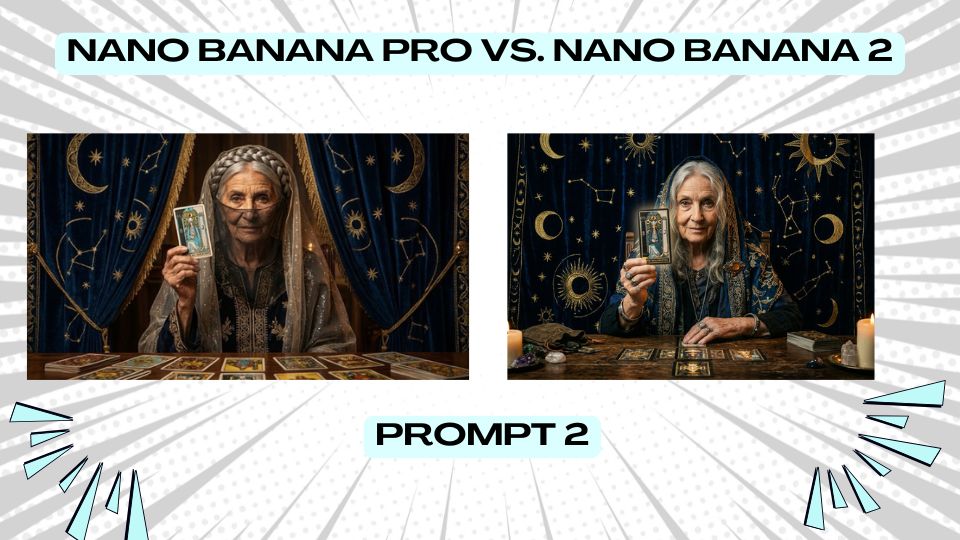


I tested NBP with various test prompts and it outshined the first version of the model in every instance (check out the related articles to the right). It's really impressive how it can perfectly morph two images into one which the former model often struggled with. Changing perspectives for image-to-image is no issue and it can also create realistic or beautiful images like no other. Therefore it had to climb on top, there's no way around it. If you work a lot with AI video and images, it makes sense to access this model via Artlist, because they also have the best video generators and a modular pricing structure.
NB 2: Is also incredible, the realism is crazy! So much detail and what a sharp image. Not always perfect, I feel like at times it adds too much detail, but overall a great package together with the NBP. I love also prompt 4 here because the image actually looks like me, even though I just uploaded one reference image and asked it to change my expression.
Also check out my blog post about 'Nano Banana 2 vs NBP', find the link here to the right --->




GPT Image 2 (ChatGPT)
At first I wasn't the biggest fan of GPT Image 2, it gave everything an extra sparkle, even where I didn't prompt it (check out prompt 3, the mars landscape for instance).
But also the cyborg and lady shaking hands in space is more a fairy tale instead of Sci Fi scene.
I was sceptical until I found its real strength: it works incredibly well for social media content like infographics or video thumbnails and that's what I've been using it for ever since. And how nice is the merging of two photos for prompt 5, it made me do a selfie! I'm slightly prettier in real life here, which makes me feel awkward, but otherwise it looks super realistic. Hehe.
And I also love how it generated prompt 2, the tarot lady. The mysticism came through, also she really has wrinkles and the background is spot on. She's maybe a bit too beautiful, but I had also not specified that.
Also it's so nice that we can create about 3-5 images daily for free. The free generations take quite a while, which is a little bit annoying, but as I said, they're free so that's great.


I honestly love Freepik (now called Magnific) ! The very best part about this tool is that it lets you access literally over 30 models (I've added them below) which is bonkers. All my designer and creative friends have Freepik subscriptions because it's just the best deal right now. Freepik also assembles the best AI video generators, this means you basically pay for one subscription and are always up to date in these two AI tool categories. Plus, they have made such a huge transition since the first time I tested them: from a mediocre AI image generator, to this super powerhouse for genAI. Instead of having to think of everything within your prompt, you can choose Character, Effects, Object, Colours, Compositions, and Styles in a template catalog. And they have added more and more features like image upscalers and editors to their palette. I'm also a big fan of their 20 daily free images.
Models:
Flux.2 Klein, Flux.2 Max, Flux.2 Pro, Flux.2 Flex, Flux.1 Kontext Max, Flux.1 Kontext Pro, Flux.1, Flux.1.1, Flux.1 Realism, Flux.1 Fast, Google Nano Banana Pro, Google Nano Banana, Google Imagen 4, Google Imagen 4 Ultra, Google Imagen 4 Fast, Google Imagen 3, Seedream 4.5, Seedream 4 4K, Seedream 4, Mystic 2.5 Flexible, Mystic 2.5, Mystic 2.5 Fluid, Mystic 1.0, GPT 1.5 - High, GPT 1.5, GPT 1 - HQ, GPT, Z-Image, Reve, Ideogram, Qwen, Grok, Classic Fast, Classic, and Auto.
For the generated images above, I've used their own Classic model.


Kling AI is starting to become one of my favorite creative AI tools, for example currently they are the best for videos with start- and endframe. And also as an image generator, they are starting to win my heart. What used to look a little bit too shiny and artificial, is now becoming better and much more realistic. I love the space background from prompt 1, but not so much the lighting for my second prompt an older tarot lady in a mystic light, it just added a weird grey layer.
Prompt 3 and 4 are super nice, I really like what they made out of the mars landscape and the modern stil life.
They also got rid of the annoying constant popups on their page and the dashboard feels much cleaner now to before. For me this is a front runner for overall creative platform (which is a category I'm adding because in 2026 almost all image generators are going in this direction).
Another reason I like Kling recently more is that they now have a free plan: after signup you receive 65 credits, with one image generation only costing 1 credit.
Images above are generated with Kling 3, their newest model!


My very first go at Recraft was via fal.ai, an aggregator of different AI models. The V3 generation was terrible, but after testing Recraft on their own platform I completely changed my mind on it.
It's very much targeting designers and the platform allows a very professional approach. For example, you can create your own colour palette, so all images stay within your brand colours.
Also, they have a feature to vectorize an image and a mockup generator that adds your design to different product images.
The generated images are 'hipsterized', pretty perfect for advertising or generating hip social media posts.
When exporting images you can set size and DPI, which is so clever. Your dashboard is like a canvas where you can place images in any order and size you like, making it easy to compare the best generations.
Overall this is such a well thought-out platform and the V4 model is super capable. All that's missing is more model variety, and it would have made it into the top 3.


For a while I neglected Grok Imagine: I was just not very fond of the fact that it could undress people. But eventually it was integrated into other aggregator platforms like Artlist and I finally gave it a chance and tested it there.
To be really objective: it worked well for realism, humans and landscapes, not so much for commercial use or merging two images together.
One more thing I have to say sheepishly: Elon Musk is renting his data centers to LLMs, so it seems to not be going so well with his AI business, but it's not necessarily due to the image generations, because honestly they are not so bad after all.
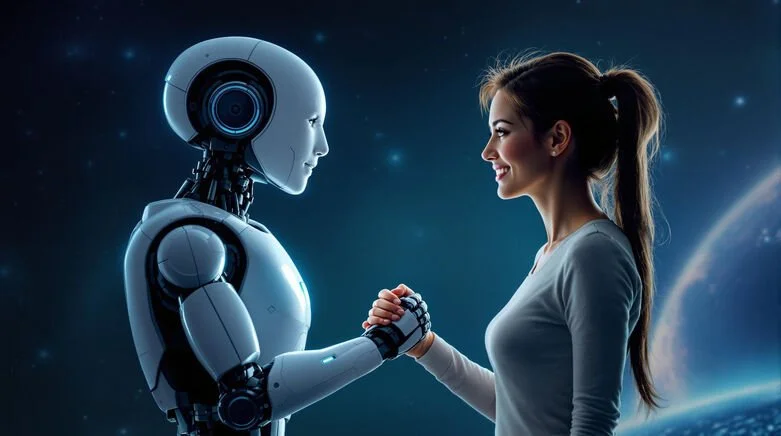
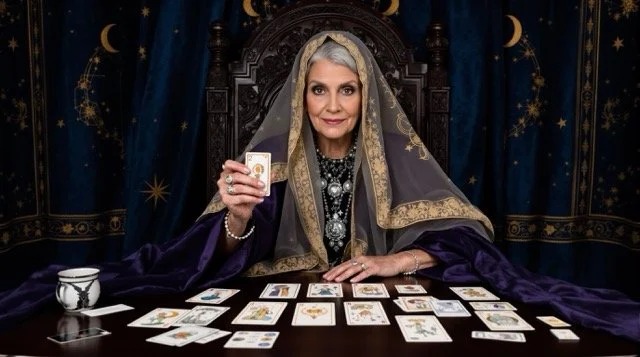


Artlist for image generation is nice because of its various model integrations it always adds right after its launch. Currently you can access about 30 models alongside of other tools like video or voice generation.
Artlist has also launched their first own model Artlist Original 1.0, which I'm adding for prompt 1. But I think the real strength is the multi-model and switching possibilities, therefore I've added a range of generated image from different models.
Another thing I like about the Artlist AI image generator feature is the style catalog they provide just under the input field. It really helps finding new ideas for styles and their names.

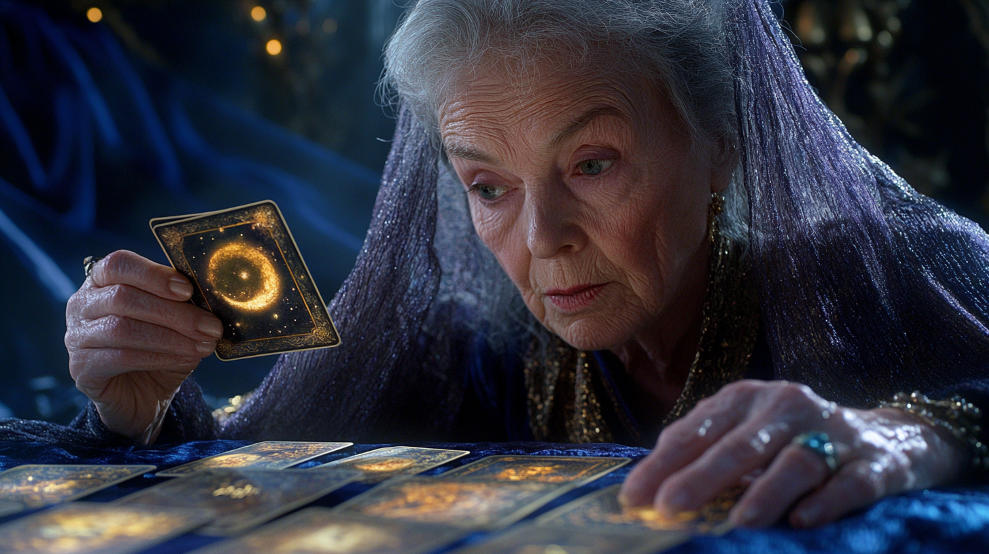
Midjourney is was the very first image generator I heard of, long before anyone could imaging creating Ghiblified selfies and such. All designers I know love this image generator, so especially for advanced users it's great. Not so much for beginners in my opinion. Also I don't like that they no longer offer a free trial. Interesting to see though how they are very community focused and build their tool with that in mind.

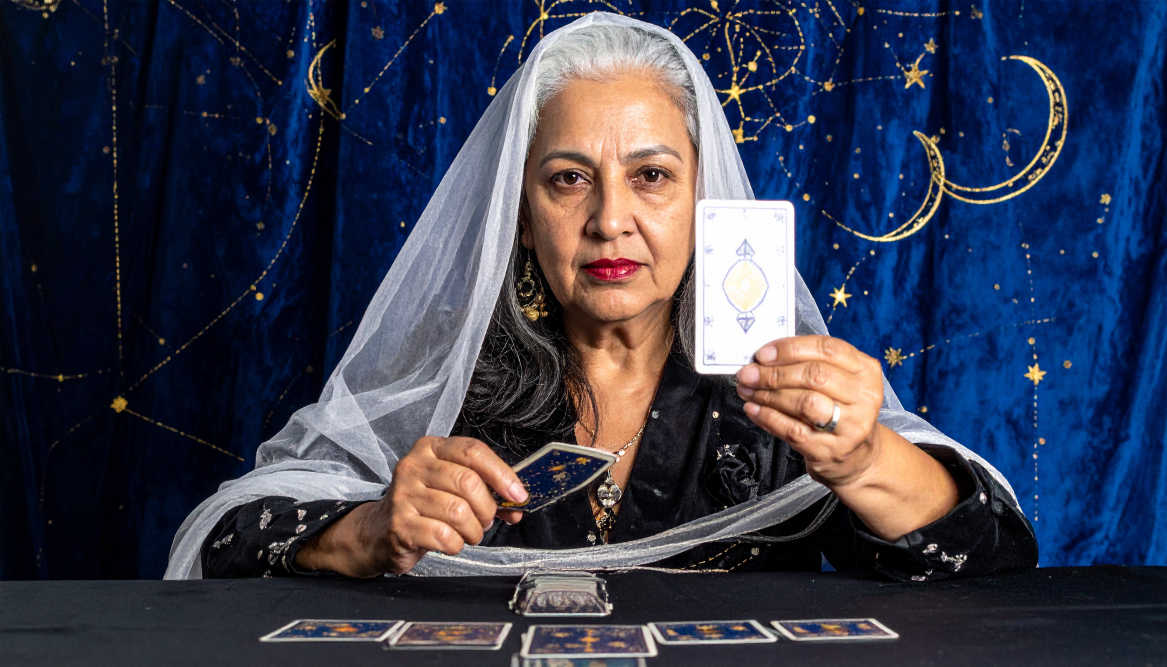
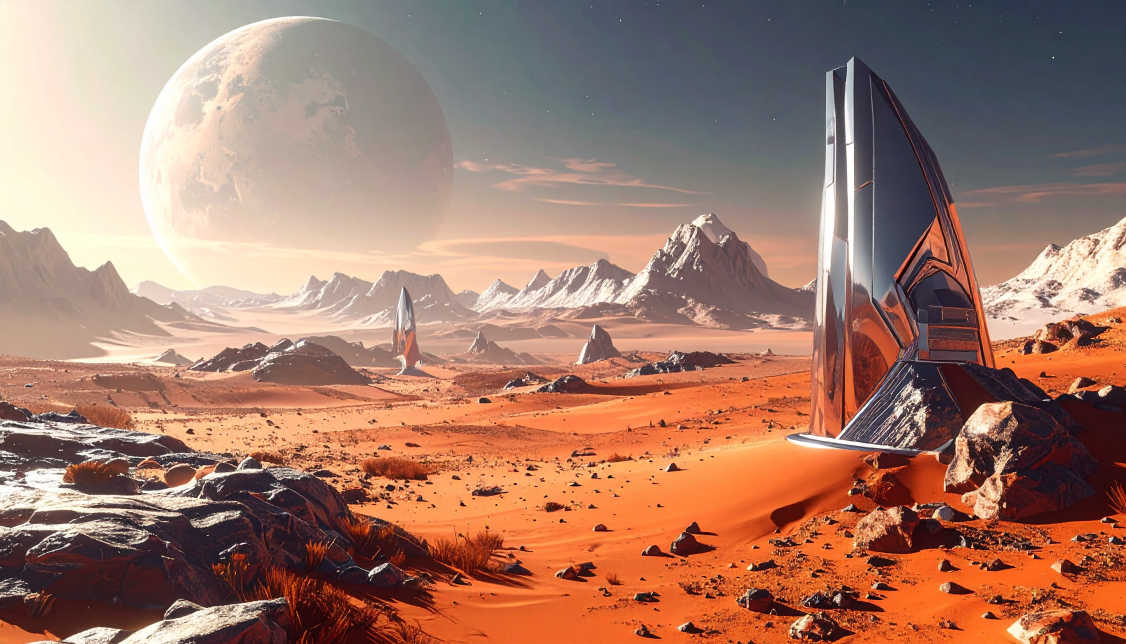
You really notice how Adobe and with understands the situation well: they just simply have to offer more than just image generation, because so many other tools can do that too. So cleverly they add special features like camera angle or suggestions for templates to add the image to to upload it on instagram. Well done Adobe, I'm glad you are not the next Kodak. The generated images are so so, but given that they were free and you get daily 10 generations just like that, it's pretty good.
Key Features:
Generative Audio and Video, Text to Image, Generative Fill, Generative Expand, Vector Generation, Image Generation, Style Transfer, Adjust Style Intensity, Camera Angles, Collage Maker, Text Effects, Pattern Generation, Color Palette Creation, Image Editing, Template Library, Generate Own Templates, Social Media Templates, Collaboration Tools, Integration with Adobe Apps, User-Friendly Interface, Export Options, Learning Resources
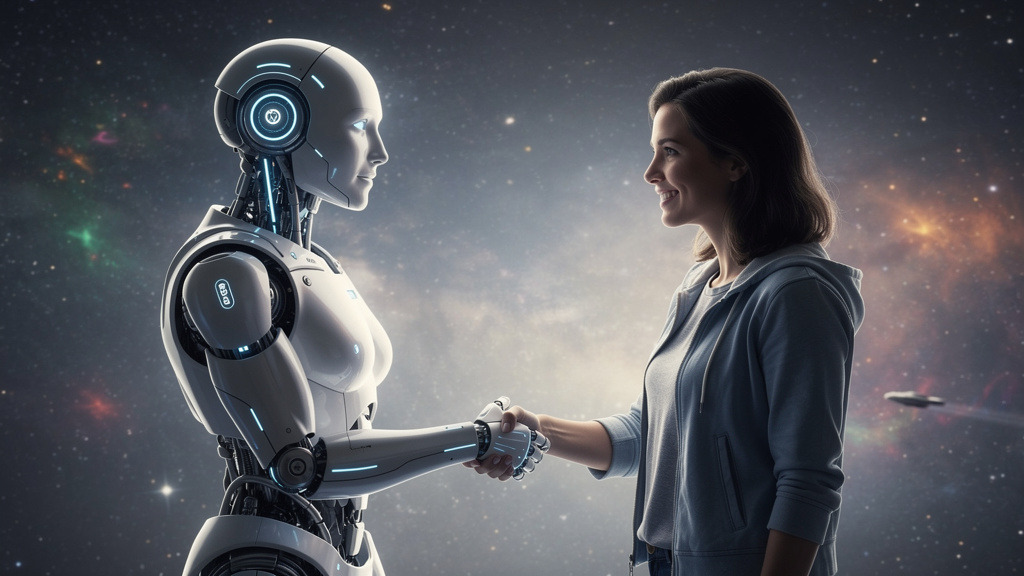

Prompt 1 - My standard prompt with the cyborg and the lady in space:
The generation here is just so dull compared to the other models. The space background is more grey than anything and the shine on the two characters makes it look less real. I've prompted the same thing multiple times with Flux but it's always greyish.
Prompt 2 - A lady with wrinkles laying tarot cards:
So far, all image generators have interpreted there to be a table to lay the cards on, and at first I thought "Where is it?" but when I re-read the prompt, I realised that it was just my and the other image generators' bias. Otherwise, it's a really beautiful generation, very life-like, and the too-perfect beauties from Flux model 1 are gone (great!).
Prompt 3 - Mars landscape with chrome elements
This generation is a bit boring, and it looks like the chrome objects were pasted onto the picture rather than being part of the scenery. Also, I've never seen proper mountains on mars, but then I've never been there.
Prompt 4 - Still life with fantasy style
I'm a bit undecided on this. I like the output, but expected something more magical. Decide for yourself.
Key Features:
Multi-reference support, photoreal detail, text rendering, 4MP resolution, color control, pose control, LoRA training, prompt adherence, layout rendering, fast generation.


First when I tested it, I've heard a lot of praise about ideogram from creative friends and I understood why. But recently it has gotten a bit quite around this image generator, they haven't released anything spectacular like others and no one mentions it anymore.
I really like the way Ideogram generates humans, they look life-life like the tarot lady from prompt 2 and less perfect than with other models.
Prompt 3 turned out a bit simple with the spikey chrome elements and prompt 4 is pretty weird: It cracked the screen of the phone, and then the fluffy cotton candy clouds around it which look like a prop. See, this is why it's not in the top 5 image generators.
One positive is that it's a great tool if you are new at creating images; its magic prompt feature adds helpful details to your original prompt. This can also help you learn what a good prompt looks like.
Key Features:
Text-to-Image, Realistic Image Generation, Creative Design Capabilities, Sets of Image Style Tags, Adjustment of Aspect Ratio and Resolution


To be fair I should say that I tested Higgsfield with it's own model and also the images added here, are generated with "Higglsfield Soul".
As you see the generations are rather simple and immature. Whenever I see this style that reminds me of animations - like from the first prompt with the cyborg - I know the model isn't very advanced.
The tarot lady from prompt 2 looks too unnatural, her skin is too smooth and the mystic aura is completely missing.
Prompt 5, where I ask the image generator to morph two images into one, was created with NBP and I added it simply because it's hilarious. According to the prompt I'm supposed to look excited, this generation reminds me more of a wild club night in Berlin.
What I do like about Higgsfield is the character integration, which let's you add a predefined character to any image. And the daily free credits are really generous.

You have to dig a bit to find the image generator apps within canva. None of them is specifically amazing to be honest. I always generate images elsewhere and just upload them to Canva. But I have to give it to them that their AI image editing features are pretty amazing: magic edit, magic expand or just simply their background remover are tools I use almost every day because they work so well.
Key Features:
Video Background Remover, Thousands of Free Templates, Print Designs, Stunning Charts, Share in a Click, Millions of Free Assets, Drag-and-Drop Editor, Edit Existing Files, Professional Styles
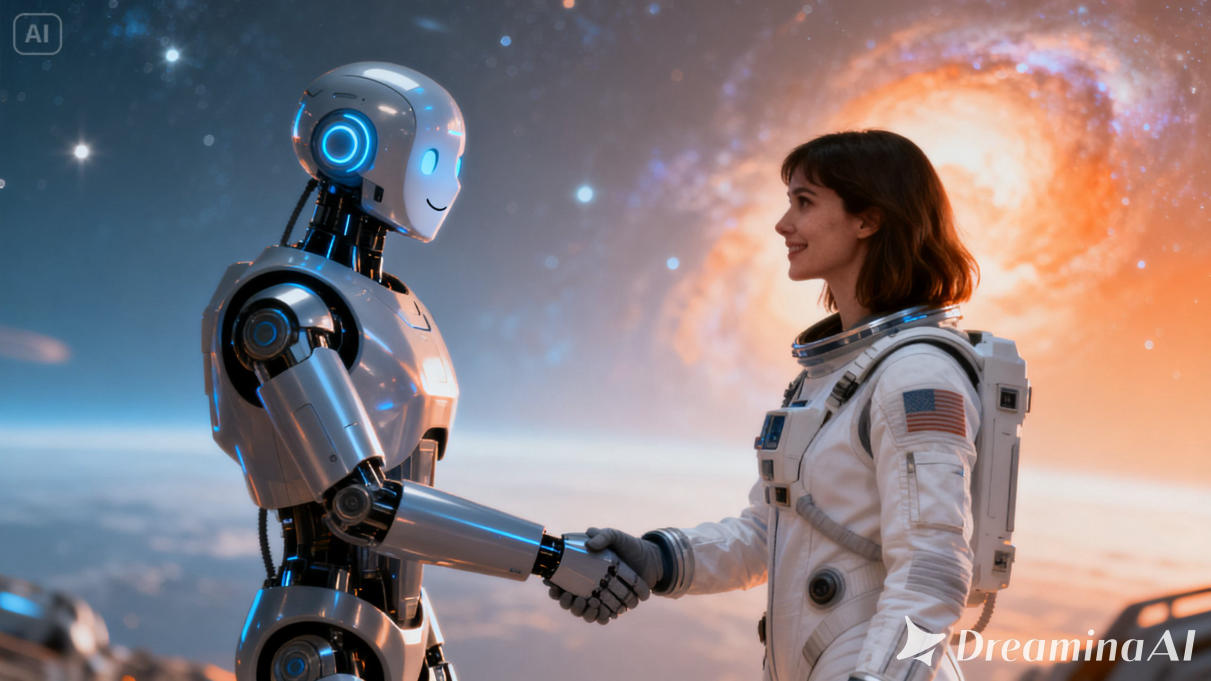
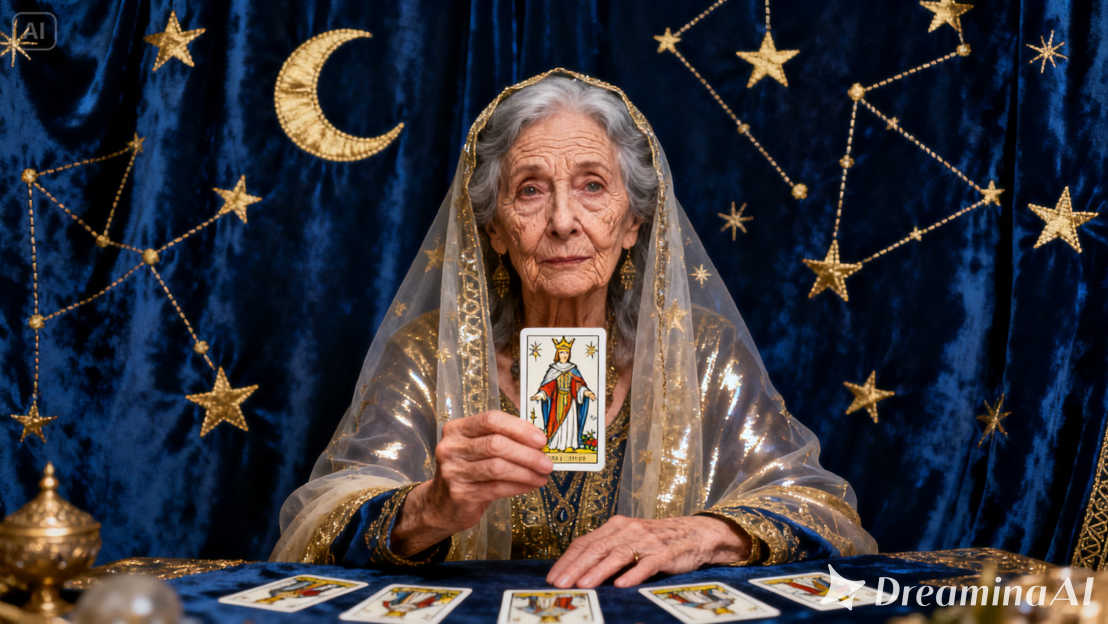
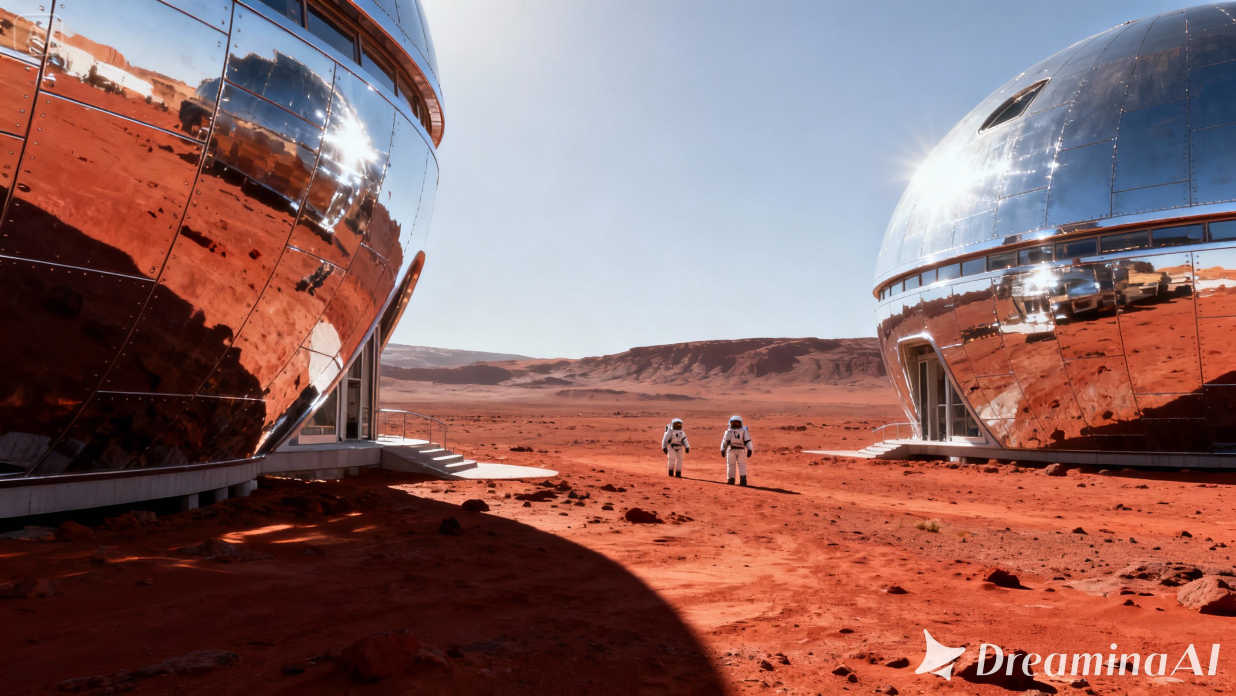
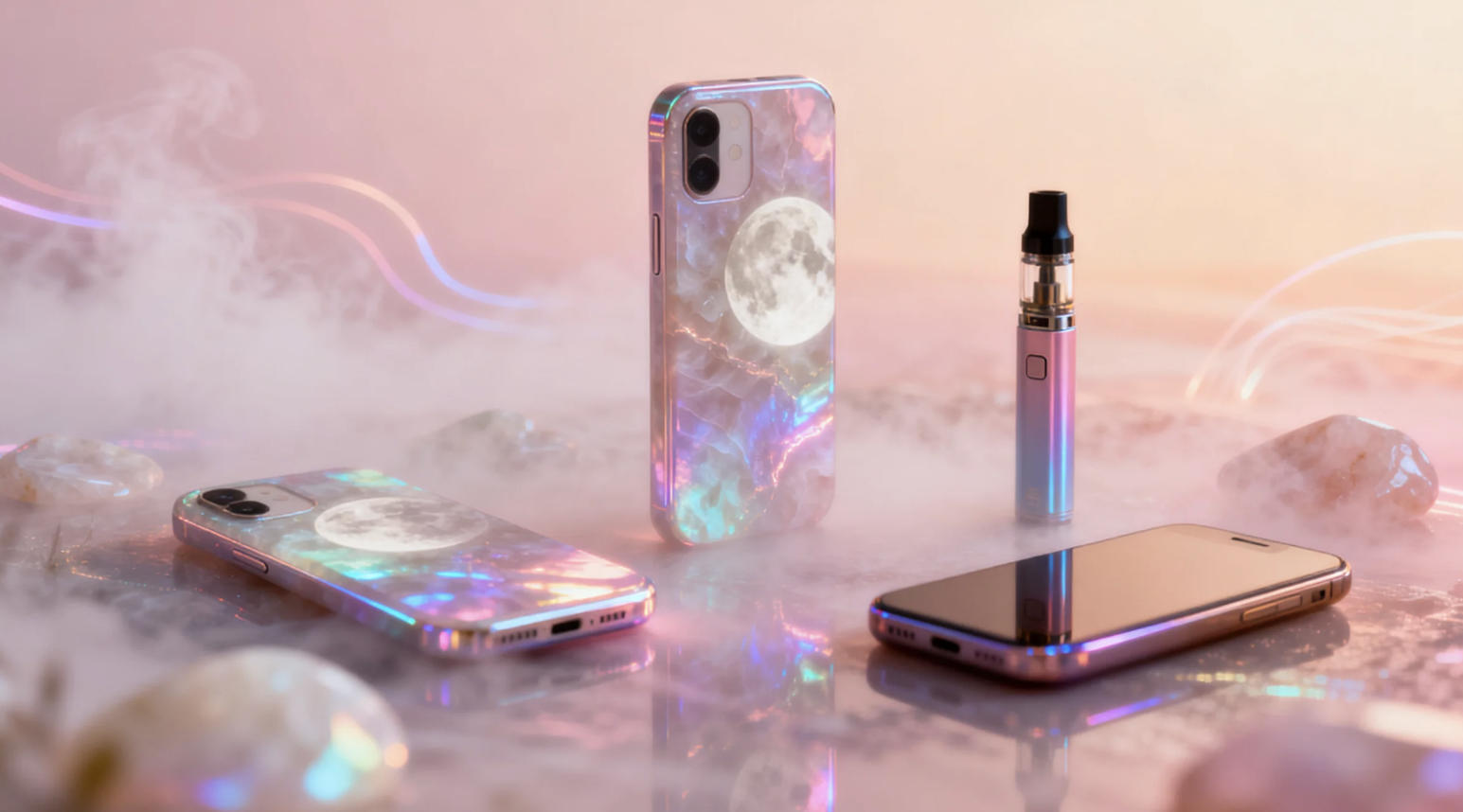
Don't know how this can be, but on Dreamina (Byte Dance's creative platform which also houses capcut) I can't access their newest model Seedream 4.5, but on Artlist I can.
Because I wanted to understand their unique offer, I tested the tool via their own platform and with model 4.1.
The cyborg from prompt 1 is so immature. And Seedream could have done much better with prompt 2, the lady doesn't look mysterious but more like she just told me I will die.
Generally the platform is annoying to use, there are a lot of glitches and annoyances (see cons), I almost didn't have the patience to do all 4 prompts. If I access Seedream 4.5 via Artlist, then it works quite well.
On their own platform Dreamina, it's not my favorite for sure.
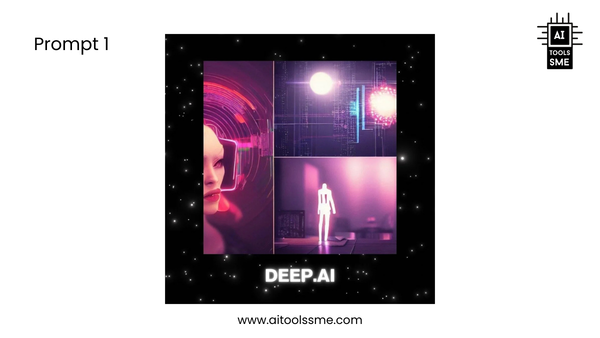
DeepAI may be gratis, but it didn’t follow my prompt at all. The result is by far the worst of all 15 tools I’ve tested and therefore an absolute waste of time. I’ve also tested it for my AI Logo Maker Review because it kept popping up during my search. But it is to the same extent incapable of creating a logo as an image. There are many better tools out there; you can ignore DeepAI. From now on, I will do the same.
Key Features:
Create an Image from a Text Prompt